March 30, 2011

Better Core, Better Life

Core exercises are really important to do! Having core strength and stability is necessary for any activity.
Most of us think that doing core exercises will give us 6-pack abs. And unfortunately this is wrong. But, don’t worry, it's not your fault if you did think that. Most pictures and advertising, glorify abs. Everyone then has an obsession with 6-pack abs...


March 29, 2011

Iron: A Mineral You Don't Want To Mess Around With!

Today we are going to talk about iron: a mineral crucial for your body functioning!
Truth is that as every other living cell on this planet we humans depend on minerals for proper function and structure.
Minerals are necessary for the proper composition of body fluids, the formation of blood and bone, the maintenance of healthy nerve functions, and the regulation of muscle tone.
The minerals function as co-enzymes, enabling the body to perform its fuctions: energy production, growth and healing.

Watch Out For Mercury

We already know that fish must be part of your diet no matter what. Margherita has been very clear about it in "The Golden Oil" article.
Still there is a “side effect” of fish that you should all be aware of and that is mercury.


March 25, 2011

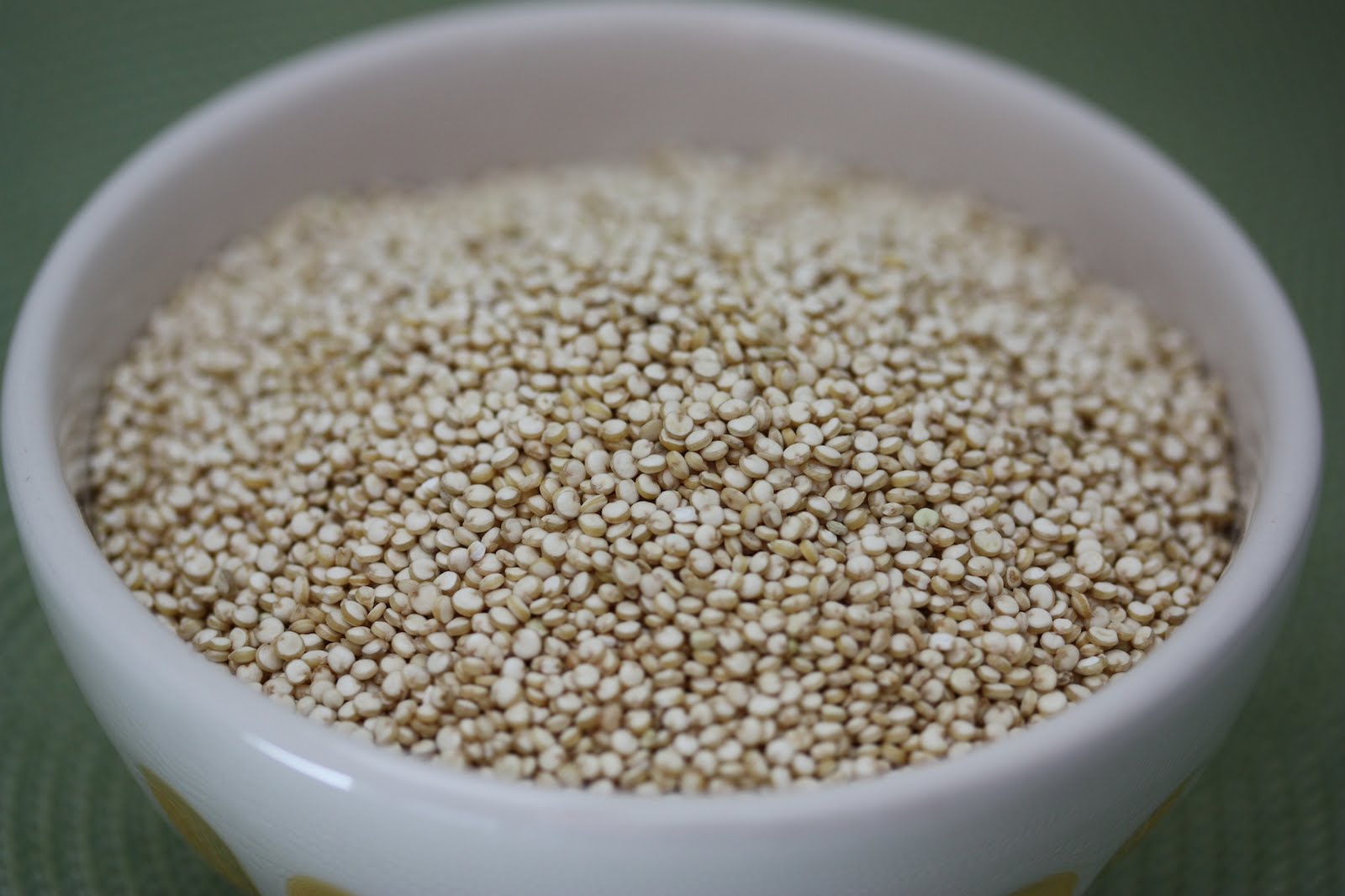
More On Quinoa

I’ve noticed that in the Post-Workout Dinner post, quinoa got a lot of attention. I thought it was a good idea to expand a little on this wonder food.
I'm gonna make full disclosure: I love quinoa. Texture, flavor and nutrition facts just makes it the perfect food for me. So my judgement it’s totally biased. I really think that you should give it a shot and I’m quite positive that at some point it will become part of your diet.


March 24, 2011

A Big Problem: Food Coloring

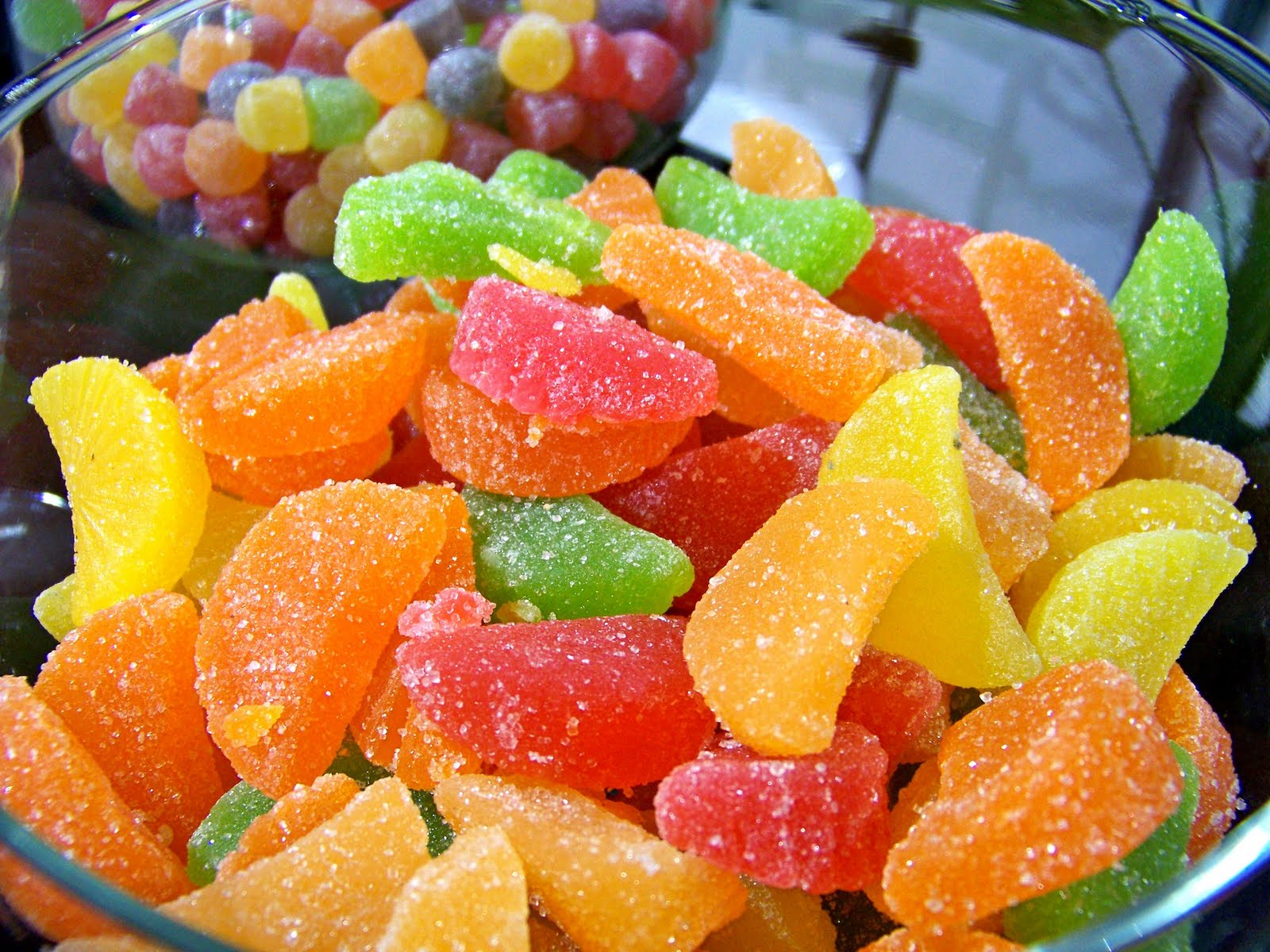
Food coloring is any substance, liquid or powder, that is added to food and beverages to enhance color and flavor. Commercially produced food coloring is usually comes from either natural sources or synthetic materials. All food coloring is edible but some people may have a sensitivity to it.

Food manufacturers use food colors to create fantastic colors for candy, soda, and chips, but food coloring can also be added to fresh foods to give them a more "natural" look, or to give the consumer what they expect: like more orange oranges!
Today it is often used in some protein foods as tuna or meat to enhance the color, appearance and make the product look fresh.

Often, but unfortunately not always, food dyes are listed on food labels with a number next to them; these are commercially produced dyes approved by the FDA.

Take Good Care of Your Cartilage

If you’re a runner, cyclist, skier, triathlete, yogi or else you have probably met, spoken or heard of somebody that had major cartilage problems...in the worst case scenario you might be the person experiencing this (though I hope not!)
Sometime such injury is so severe that people are forced to quit for good whatever sport they are practising.

Runners should especially be aware of the injuries that might occur to their cartilage and try their best to prevent it because once the damage is done there’s almost no way back.


March 22, 2011

Risks Associated With High Protein Diets

My friend Kelly has recently signed up with a personal trainer at the gym because he wants to bulk up. The trainer has told him, correctly, that if he wants to increase muscle mass fast he has to train hard and switch his eating habits to a high protein diet.
A high protein diet entails eating up to 1 gram of protein for every pound of your body weight. Yes, I know, that is quite a lot of.
But we are not going to discuss whether this is too much or not, what I want is to focus on are the risks associated with a high protein diet and thus, on the precautions that you should take so as not to compromise your general health when you start such an eating regimen.


March 21, 2011

In Defense Of Carbs

After reading the article “Carbs: the ultimate enemy?” I feel compelled to step into the discussion and stand up in defense of carbohydrates.
Let’s start by saying that I do strongly believe that not all carbohydrates are bad for you, actually some (the complex ones) are good for you. We cannot rag this important macronutrient.
Truth is that following an hyperproteic diet can be very dangerous for your body and you’ll figure that out after some years.
Certainly in 4 weeks your body will be slim and tonic but what about your general health?
These are some of the side effects of an hyperproteic diet: kidney failure, concentration of high levels of free radicals, alteration of the gut flora, spike in cholesterol and last but not least what about all the toxins, antibiotics and hormones that you can find in the meat?


March 19, 2011

How Many Calories Is A Pound Of Fat?

This question is one every person starting a diet thinks about.
Because if you start a diet the first thing that pops into your mind is: “How long will it take me to drop those extra pounds off?"
The simple answer to how many calories must be burned to lose a pound of weight is essentially the number of calories in a pound of fat.

March 18, 2011

Carbs: the ultimate enemy?

In an article published on the March, 2011 issue of Details magazine entitled “Are Carbs More Addictive Than Cocaine”, journalist Paul John Scott claims that carbs should be treated as your ultimate enemy and that it’s actually carbs not fat that make food fattening.
I really enjoyed reading this article so I thought it would be interesting to go through it and then discuss the outcomes of it.


March 17, 2011

Soy Milk: Good Or Bad?

This topic is a controversial one.
Every single person I've spoken to has a very different (and strong) opinion on soy milk. Some say it’s good for you others that it’s really bad and that you should be very careful, finally others do not care and just drink it because they like it (I kinda like those kind of persons). 
Personally, I discovered soy milk not a long time ago. Through my roomie Svet. She's obsessed with vanilla soy lattes. Whenever she goes out she comes back home holding a "tall one". So it was only a matter of time before she got me hooked on it. 
Next thing I know, I find myself buying a big carton of vanilla soy milk at Whole Foods. I literally love the taste. It's so good.
As I didn’t know much about milk soy I decided to do a little bit of research on it. That's when I found out that there is some controversy around this product.

Glass Of Soy Milk

March 16, 2011

Paleo Diet: the latest trend in eating regimens

In the infinite world of dietary regimens there’s one that recently has attracted a lot of followers and it's starting to become a trend: the Paleolithic diet (abbreviated paleo diet or paleodiet). Also popularly referred to as the caveman diet, the Stone Age diet and/or hunter-gatherer diet.
What is it exactly?
The Paleo diet it’s a nutritional plan based on the presumed ancient diet of wild plants and animals that human species habitually consumed during the Paleolithic era. The Paleolithic era is the period of about 2.5 million years duration that ended around 10,000 years ago with the development of agriculture.
Taking as a reference the daily “menu” of the Paleo man, the "contemporary" Paleolithic diet consists mainly of meat, fish, vegetables, fruit, roots, and nuts, and excludes grains, legumes, dairy products, salt, refined sugar, and processed oils.


March 15, 2011

Exercise + Restricted Calorie Intake = Forever Young

I bet you have already heard this a million times: exercising is good for you! Am I right?
I also bet that you’ve been told why is good for you...because it improves your mood, combats chronic diseases, helps controlling your weight, boosts your energy levels, promotes better sleep, can put the spark back into your sex life and because it’s fun.
Recently, new studies have brought up something new and exciting: there is more evidence that exercising can effectively contribute to delay and maybe even reverse aging. Yes, that is correct! Being physically active can help you turn the clock back time. This happens especially if you pair exercise with a healthy food regimen.


March 14, 2011

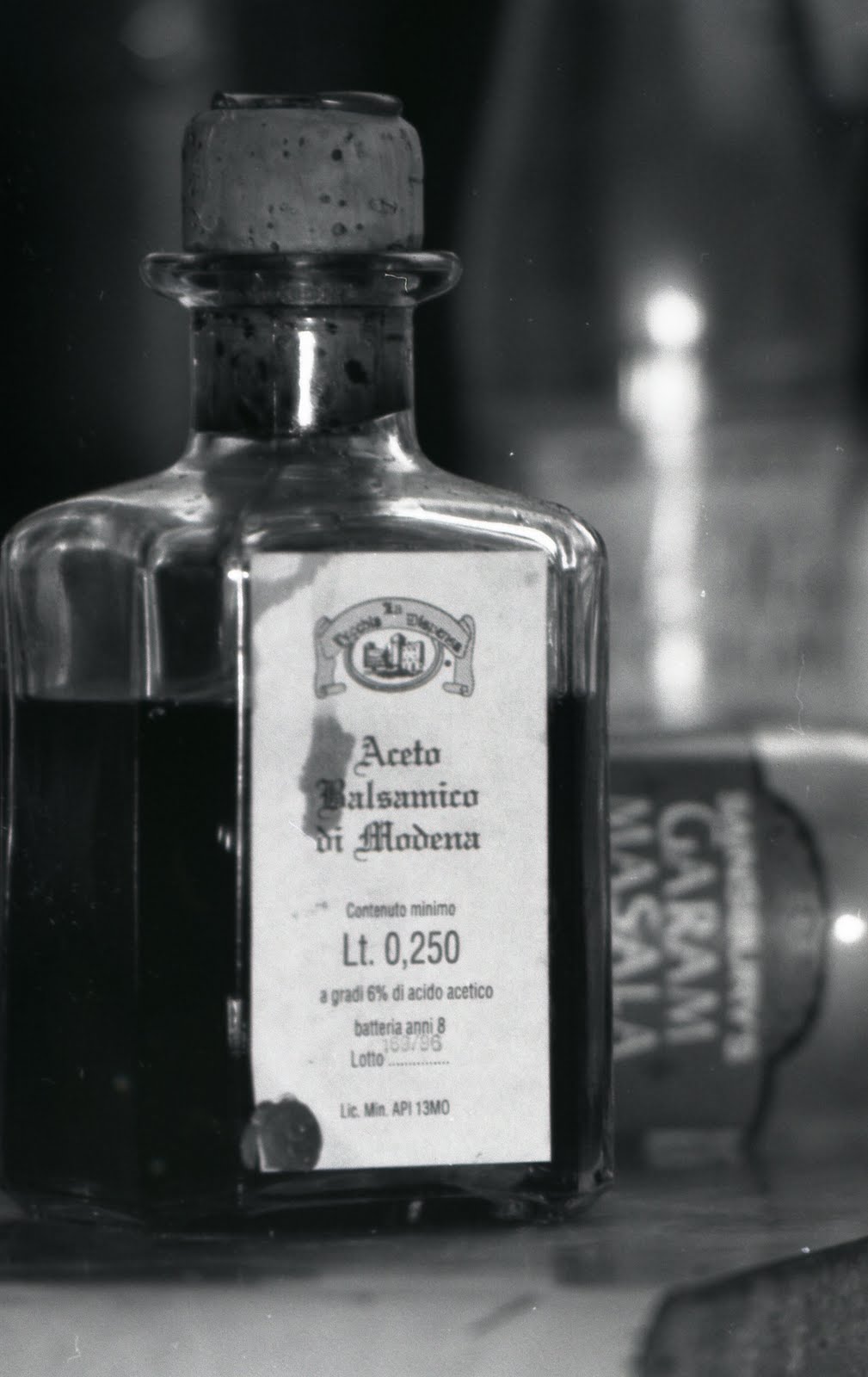
Balsamic Vinegar Unveiled

The traditional balsamic vinegar first appeared around 1000AD in Modena (Italy).
There is no documented history on how balsamic vinegar was born. According to some, it all started out randomly in a kitchen household, where a certain amount of grape cooked must, the so-called Saba (which was back then used as a sweetener) was forgot in a kitchen pot and found again only after some time when the acetification/fermentation process was already taking place.


March 12, 2011

The Awesomeness of Bikram Yoga

Ok, I’ll admit it...I’m addicted to Bikram yoga. I started almost two years ago and since then I can’t get enough.
I remember the first time I walked in class. Being a triathlete, I tend to have the attitude that nothing can stop me so I thought: “This is going to be a piece of cake!
Well, I’ve never been more wrong in my life. The heat almost "killed" me and, on top of that, the lack of flexibility in my muscles and joints made my life miserable for the whole 90 minutes.
Fortunately I’m mad about challenges and that’s when I told myself “
This is not over Bikram Yoga, not by a long shot!”. I had to become good at it, no matter what.
After few weeks of practice I’ve noticed how the improved flexibility made my life easier in swimming and running (in particular, more powerful strokes and longer steps).
It was then settled, I would include Bikram Yoga in my triathlon training routine. The Awesomeness of Bikram Yoga

March 11, 2011

Kombucha: The Elixir Of Life

There’s been a lot of fuzz lately about Kombucha tea and probably you started wondering why.
A lot of people drink it, new brands of this drink appeared on the shelves of the supermarket and, almost everyday, you can bump into somebody talking about it.
Actually, this drink is getting so popular in the US that it is now referred to as “buch”.
So, what this is all about? Is really Kombucha the “elixir of life” or “tea of immortality”?

What is Kombucha?

First of all we have to explore what is Kombucha.
Kombucha is a drink made by fermenting tea and sugar with the kombucha culture. The result is tasty beverage drink that resembles something inbetween sparkling apple cider and champagne, depending on what kind of tea you use.